
For nearly all outdoor activities, proper equipment and clothing add to the experience.
Skiers wear apparel designed for protection against the elements and flexibility of movement. Fly fishers wear waterproof boots and waders. Each activity has its own special requirements. ATV riding is no different.
ATV riding requires protection for head, eyes, hands, and feet, flying debris, or contact with foliage. Although complete protection is not possible, knowing what to wear and how to wear it can make you feel more comfortable when you ride and reduce the chance of injury. Never operate an ATV or ride as a passenger without a quality motorcycle helmet, eye protection, boots, gloves, long pants, and a long-sleeved shirt or jacket.
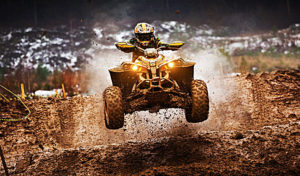 In regards to ATV training, students practice basic safety techniques with hands-on exercises covering starting and stopping, turning (both gradual and quick), negotiating hills, emergency stopping and swerving, and riding over obstacles. Particular emphasis is placed on the safety implications relating to each lesson. The course also covers protective gear (like DOT-compliant ATV helmets), environmental concerns, and local laws. Participants receive the ATV RiderCourse Handbook, which reinforces the safety information and riding techniques covered in ATV RiderCourse.